Home
Product Center
Discovery Center
Support Center
finders that go anywhere
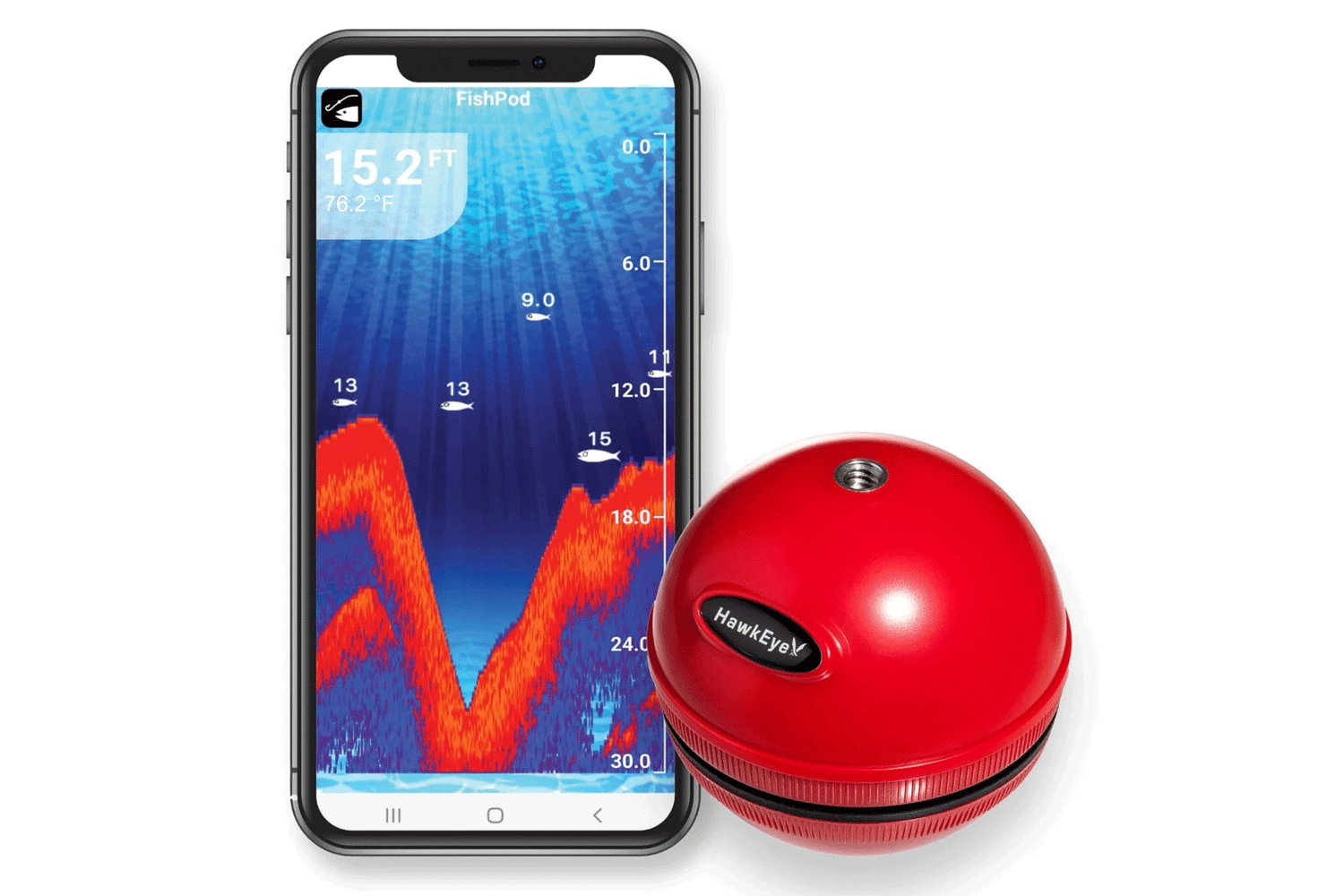
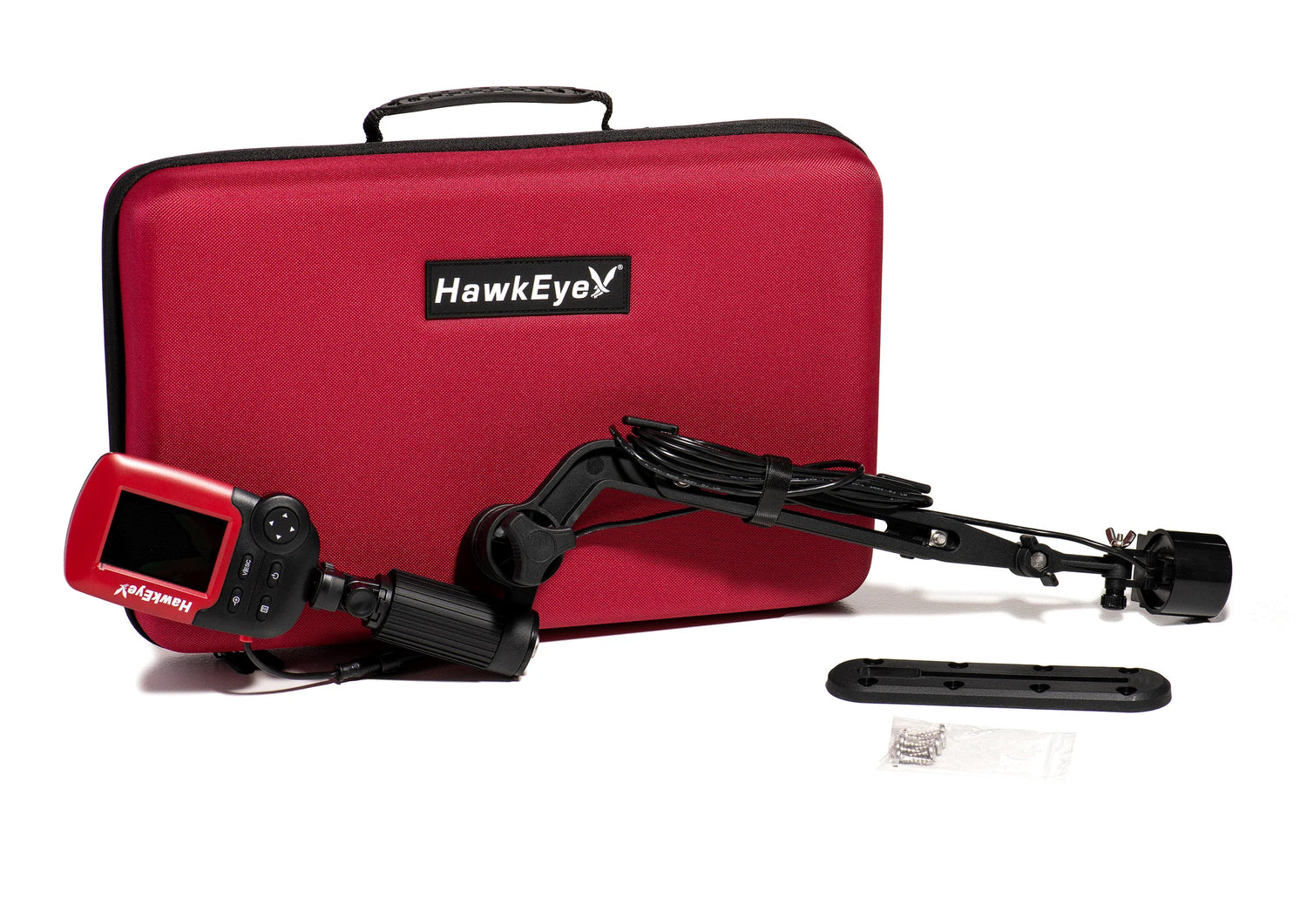
Absolute Portability... With dozens of exclusive features including WeedID, mountable and side-scanable sonar sensors, plug & play sensor plugs, and user selectable sensitivity settings, our fish finders are guaranteed to produce even bigger fish stories...
Find out more...
performance depth finders
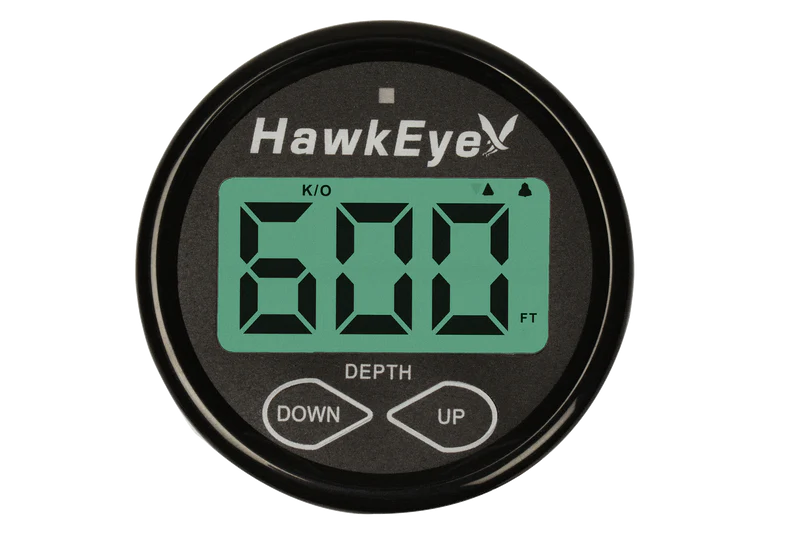
With instant depth readings, updated four-times per second, our depth sounders provide uninterupted readings at speeds up to 60 MPH. With 4 color combinations, and multi-use transducers, you can easily configure it to fit your boat's requirements...
free weight and length measurement
Our Sonic-Laser Scales are multifunction ultrasonic fish measuring device that double as digital fishing scale. Simply pick the fish out of the water with the lip hook, weigh the fish with a corrosion free electronic fish scale, and measure the length without touching the fish...
surface mount depth sounder
The world's only depth finder perfect for PWCs... With its completely waterproof construction, micro-display housing, and ShootThru Sonar Technology, the D11S is as much at home ripping across a lake at 70 MPH on a PWC as it is searching for a secluded cove on a tender...
surface temperature readings
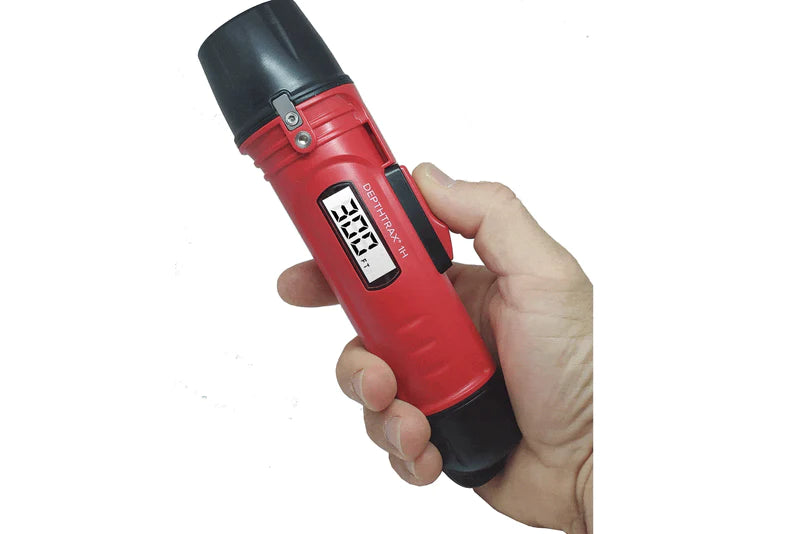
Infrared Marine Thermometers delivers instant temperature readings of any surface with one-handed operation. Use it to take water temperature readings while racing to the fishing grounds; no matter how fast your running. Instantly measure powerhead, riser, block, etc temperatures or pinpoint water circulation problems...
water sports safety system
The SkierAlert® utilizes patented MarineLink® Technology to closely monitor a Skier, Wakeboarder, Tuber, etc, and even doubles as a man overboard detector. When the Wireless Safety Lanyard is attached to a life jacket or belt the Base Station will immediately sound when the signal from the Lanyard is out of range or submerged in water...
WHAT'S NEW?
We've Added Water
and Air Temperature
All the advanced sonar capabilities of the D10D, plus water and air temperture. Available with a high speed transom mount transducer, or a low profile thru-hull transducer.
FREEDOM CLUB
Become a Beta Tester and Get Free Stuff!!!
Sign up today and get exclusive access to our Freedom Club benefits. Including: TradeUp Program, Discounts and Deals, Product Beta Testing, New Product Previews.
Fish
Finders
In 2001 we invented the most portable fish finder the world had ever seen. Over a decade later, we're continuing to push the limit on portability, flexibility and value. If your looking to fish from a kayak, boat, canoe, dock, or even the shore, check out our hand held fish finders. These go anywhere fish catching machines are guarnteed to increase the size of your fish stories.
Depth
Our depth finders were designed around one goal: Instant, accurate depth readings... We hit that goal head on in 2000, and over the past decade we've been fine tuning our sounders to do even more. In 2008 we added a high speed thru-hull transducer to give them more flexibility. In 2010 we added water and air temperature sensors.
Laser
Scales
What's the worst thing that you can do to a fish if your're planning on releasing it? Remove it from the water and lay it on your deck. Then why do all fish measuring devices require you to do just that? Confused? So were we! That's why we invented the Sonic-Laser scales, the world's first, and only, wireless fish measuring devices.
Skier
Alert
Have you ever been so focused on driving the boat, that you forgot about your water sports enthusiats in tow behind the boat? It takes a long time for little Bobby to forget abgout the time you left him in the middle of the lake. We figured out a sloution for that too. It's called the SkierAlert wireless watersports communication system.
Electronics for all Your Outdoor Water Adventures
We're focused on outfitting your boat and tackle box with quality, fun products.
HAND Helds
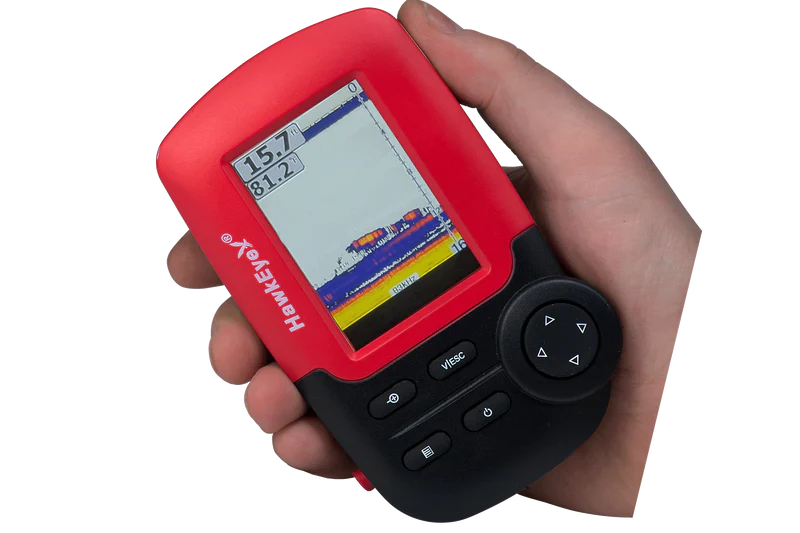
The most versatile handheld sonar system ever produced! Not only will this it give you instant depth readings, but at the press of a button it will give real time temperature and fish readings.
LASER Scales
Our fish scales are multifunction wireless fish measuring devices that also incorporate a solid-state electronic weighing scale. Catch and release fishing at it's best.
DEPTH Finders
Instant, accurate depth readings. Includes black & white bezels and face plates, and also a sun cover to protect the LCD during storage. Depth range from 2.5 to 200 ft.
FISH Finders
In 2001 we invented the most portable fish finder the world had ever seen. Over a decade later, we're continuing to push the limit on how far you can go with our fish finders.
SKIER Alert
The SkierAlert® utilizes patented MarineLink® Technology to closely monitor a Skier, Wakeboarder, Tuber, etc, and even doubles as a Man Overboard Detector.
ACC essories
From transducers, to mounting brackets, to float kits, to transducer cable extenders, we have it all. Search our Parts and Accessory store to find what you need.
REC ertified
SAVE BIG with discounts up to 70% on recertified items. These units are non-defective returns, overstocks, demos, opened or damaged box, slight cosmetic blemish.
THERM ometers
Our Infrared Thermometers deliver instant temperature readings of any surface with one-handed operation. Just aim at the target and press the button. That's it.
Back To All Products
BUY
Recertified
and Save BIG!
What is Factory Recertified? Electronic products are returned for a variety of reasons, many of which are not related to an item's ability to function properly. Such items are no longer sold as "new" and are sold as "recertified". The following are examples of products considered "recertified".
They are covered by a 90 Day Limited Factory Warranty.
WARRANTY
Portable and Hand Held Fish Finders
Depth Finders & Sounders
Hand Held Sonar Systems
Electronic Fish Scales
Marine Temperature Gauges
Wireless Water Sports Communication
We're All About You and Your Fishing and Boating Adventures
We're passionate about providing outdoor enthusiasts with quality products, with unsurpassed service, through customer focused innovation.
Fishing
Boating
Our Passion
"When we are not pursuing our mission, you can bet were on a boat with friends and family..."
Gabe Isham, Sales Manager
Why Go Boating?
Beginners' Guide to Boats
Top Reasons to Boat
Family Boating Activities
Free Boating DVD
The Best Boating Destinations
Safety on the Water
How to Buy a Boat
"Fishing not only sparks our innovation, it also reminds us to keep striving for perfection, so that you can enjoy your break from reality..."
Greg Lentine, President
Rediscover Fishing Today
How To Fish
Fishopedia
Fish Conservation
Fishing Knots
Preparing Your Catch
Places to Fish
Fishing With Your Family
Whether it's radically changing the way you enjoy your favorite pastime with our game changing new technologies, or reinventing our current product line, we relentlessly pursue innovation in all aspects of our business. At NorCross, Customer Focused Innovation is not just some fancy corporate slogan, it's the foundation of every product and service that we offer.
We consistently stay one step ahead of our competition, not by copying what they do, but by continually knocking ourselves off. NorCross is not just some sourcing company who slaps their name on the next product that comes down the pipe. We design, engineer, manufacture, and distribute every product that bears or brand names. Rest assured, when you get a product from NorCross, it's built to last. We guarantee it by giving you a 2 year warranty on everything we sell.
Buy Recertified
SAVE BIG!!!
Most major retail superstores offer a 30-day money back guarantee on their products and there are those consumers that just simply take advantage of that.
Items where the box was damaged in shipment.
The item was returned because of a slight defect. The defective part was replaced, tested and then repackaged.
The item was returned because of a minor cosmetic blemish on the casing that was corrected.
Demonstration units.
The box was simply opened.
Brand new overstocked items are also labeled factory recertified.
The item has been inspected thoroughly, restored to original specifications (if needed), tested and repackaged for resale.
Boating and Fishing Blogs Worth Reading
Each month we repost the best boating and fishing articles available on the web.
Content Supplied By Fishing World
Gliding across calm waters in silence gave me the opportunity to smell, touch, and feel the pleasures of nature in its most intimate form. The air was clean and pure, the water cool and alive to the touch with the sights and sounds of nature in its most natural form both stunning and breathtaking.
One of my few experiences in this life where absolute freedom was enjoyed was when quietly gliding over calm waters in a kayak. The peace and tranquility enjoyed from those trips completely enveloped me with a true sense of happiness. However, my first encounter with a kayak bordered more on horrific rather than terrific!
I was 15, adventuress and daring back then when a friend lent me his kayak for a duck hunting trip on a river. The craft was similar to those Alaskan natives used hunting seals and narwhales with. Jumping into its manhole, then snapping down the protective cover I shoved off with my shotgun secured to paddle out onto a semi-frozen river.
Learning the kayak shuffle soon had me gliding among the ice flows, sculling around bergs of ice in search of waterfowl. Paddling around one berg into a pothole surprised a flock of ducks, the startled ducks exploded off the water. Firing my 12 gauge in hopes of gathering one for supper caused an unforgettable reaction. Not being real knowledgeable with the kayak my next experience was rather cold and wet. The kayak had completely rolled from the reflex blast of the shotgun, spinning me through the water column like a washing machine on spin cycle. Luckily I had my shotgun tied to the craft and after the initial shock wore off I retrieved the weapon and slowly oared my wet and freezing self back to shore.
It would be many years before having another encounter with a kayak. But this time the modern day craft would re-warm my blood from my first experience and rekindle the spark of adventure of my fifteenth year. The kayak was reborn from those of yore, modernized and specialized to the unique crafts used for todays adventurous sportsmen.
After having invasive surgery my search for something to help rebuild the weakened muscles of my damaged body was settled. after rediscovering the kayak. But instead of being the bulky, heavy, and unstable craft from my first kayak encounter, these new vessels were sleek, light, and well designed to keep its operator upright.
Being an avid angler I chose one rigged for sport fishermen. The craft was open and comfortable with plenty of storage for everything an avid angler could need or want for their fishing experiences in both fresh or saltwater.
Compared to the old style craft these new kayaks are a pleasure to operate and easy to maneuver around and over obstacles such as creek branches, boulders, and the clutter of my freshwater haunts. Even my saltwater adventures were smoothly triumphed by the agility and tuff-ness of these new kayaks.
Of course weather plays an important part in your kayak adventures and only the most extreme kayakers should venture out under extreme weather conditions, but during normal weather patterns they are easy and very safe. My recommendation for new kayakers would be to weather your craft in the safety of familiar waters you are used to.
Another way to speed up your kayak savvy would be to join kayak clubs, for which there are numerous listings on Google. In this way you would learn from the experts and induce in you the proper and most safe ways to operate the kayak.
And by convincing your spouse, girl friend, or fishing buddy to kayak with you would greatly add a safety factor in your kayaking trips. I?ve seen many kayakers enjoying outings with their better halfs, in fact Ive witnessed entire familys enjoying kayaking together in both freshwater or saltwater settings. And as long as common sense becomes the managing factor of your kayak adventures there shouldnt be any problems to jeopardize those experiences.
Cruising the back water sloughs of Livingston, Rayburn, or Toledo, going where no other boat could sneak into, I found the fishing to be exceptional especially during the bass spawn where sight fishing the beds was at a premium. Even fishing the grass beds, brush piles or sand pockets for bluegill, crappie or bass was easier due to the stealth quality that kayaks are famous for.
These same stealth qualities helped to enhance my saltwater experiences while quietly slipping through the skinny waters of the marsh flats looking for tailing redfish or gator-trout, which would normally be spooked by less stealthy craft. Even the surf anglers are using these improved kayaks for venturing out into the Gulf to fish for Bull Redfish or Shark.
Kayaks can now be fully rigged with all the latest tech gear youll need for fishing, including depth sounders, electric troll-motors, GPS units, and battery operated nightlights. Kayak groups even have fishing tournaments and races and family events for all to enjoy.
Even though my kayak choice was for a tandem sport-fishing rig with peddles and rudder for hands free movement through the water, I rarely used the peddles choosing to paddle instead. I found the exercise and natural movement of the kayak through the water to be thoroughly enjoyable providing a peaceful and relaxing experience.
Once, while wade-fishing the Gulf for specks I watched as an entire family of four kayaked their way past me through the breaking surf and down the beachfront until they merged into the horizon.
NOW, this is exactly why those who select the path less traveled are choosing the Kayak, to become a part of that horizon they all seem to be chasing.
Content Supplied By Fishingworld.com
Florida is not only the Fishing Capital of the World, but it is right up there when it comes to the variety of exotic fishes anglers may pursue. An exotic fish is one that is not native to the area in which it is found. Typically, this is because people moved them from one location to another either intentionally or accidentally, resulting in their illegal release. When they successfully reproduce in these new habitats for several generations, they are termed established. Like native species, some nonnatives may become a nuisance if they create substantial problems.
To many ecologists, any organism that is introduced to a place where it did not historically and naturally occur is a nuisance. However, when you look around Florida you will find many species of plants and animals that are associated with the Sunshine State but were not here 500 years ago when the Spanish first landed. In fact, the Spanish brought many of their familiar edibles from Europe, including oranges, horses and pigs that are now established.
It was not until the late 1800s that the first exotic fish were observed in Florida - the not-so-common carp. Evidently, five common carp from Germany were imported to the United States in 1872 for commercial purposes. In 1877, the U.S. Fish Commission imported additional carp from Germany, and for 20 years or so stocked the species as a harvestable food fish throughout most of the United States. Today in Florida, common carp are most abundant in the Panhandle area and support a small but avid fishery of anglers and bow fishermen.
Since common carp became established, another 22 species of fish have become established, meaning they have permanent populations. An additional 11 species are known to have reproduced in Floridas fresh waters, at least in limited numbers. Add to that seven species that have been collected but are not known to have spawned and you can see that much of Florida is suitable to colonization by foreign fishes. Most of the successful intruders have come from tropical or subtropical climates. Typical sources have been the aquarium trade and individual pet-fish owners, and aquaculture facilities that inadvertently allowed the escape of some of their stock. However, exotic fish have arrived from a variety of sources and for some intriguing reasons (see MyFWC.com for a chart listing the known nonnative fishes occurring in Florida, when they were first observed and where they originated).
Florida fisheries biologists have studied nonnative fishes and their impacts since the late 1960s and established a Nonnative Fish Research Laboratory in Boca Raton. Although laboratory staff continue to study and be concerned with the presence of nonnative fishes, they have not documented any measureable negative impacts on our native fishes or aquatic habitats. During that time they have been actively involved with exterminating several populations of exotic fishes that were discovered early and in confined areas, including redbelly piranha, pirambeba and threespot ciclid. Natural events, particularly cold spells, have contributed to elimination of 14 species of reproducing nonnative fishes from our waters. Periodic cold snaps cause water temperatures to drop to lethal levels for many nonnative species. Cold weather stresses fish coming from tropical climates more than it does native fish.
On the other hand, staff helped develop the sterile triploid grass carp that is used (under permit) as an aquatic plant-control tool, and the successful introduction of peacock bass, which was stocked as a biological control for unwanted exotic forage species and which, as a secondary benefit, supports a sport fishery in southeast Florida with an economic benefit of nearly $11 million annually.
During the winter cold snap of 2010, peacock bass, along with many other exotic fishes, which anglers have learned to harvest and enjoy, died in large numbers. The exotic fishery on the L-67A Canal is a boom-or-bust fishery that provides an excellent example of how many of these exotic fishes are being utilized, and the effects of the cold snap. The canal is west of U.S. 27 and south of Alligator Alley. It runs 26 miles from Everglades Holiday Park to the Tamiami Trail and is known not only for great largemouth bass fishing, but also for a diverse array of nonnative fish that anglers actively seek. The L-67A Canal provides anglers an opportunity to fish in the heart of the Everglades.
Mayan cichlid, oscar and butterfly peacock bass are the three most popular nonnative species in the canal, but the winter kill in 2010 nearly eliminated them. Catch rates from the prior seven years of creel (2000 to 2009) for Mayan and oscar averaged nine and four fish per hour, respectively. The Mayan cichlid catch rate peaked at 13 fish per hour in 2007. Just before the winter kill, their catch rate was nearly 13 fish per hour. Oscar peaked as well in 2007, with a catch rate of five per hour. Butterfly peacock bass were producing a catch rate of two fish per hour, just before the winter kill. For comparison, a catch rate of one harvestable largemouth bass per four hours (0.25 fish per hour) is considered typical in the southeastern United States. However, in the L-67A Canal, in spite of numerous nonnative fishes, the average catch rate for largemouth bass was more than two bass per hour between 2000 and 2009.
Expenditures by anglers fishing for exotic fishes on the L-67A Canal during the past 17 years was estimated at more than $3 million. During that period, anglers spent 22 percent of their time seeking exotics.
Between 2000 and 2009 there were moderate kills (in 2000 and 2005). However, these exotic species were still able to expand their range outside of the urban canals, partially due to refuges in the water conservation areas that were not as severely impacted, although there are virtually always remnant survivors in the canals as well. The unusually cold winter in 2010 took a toll on most exotics. Nevertheless, once their populations rebound, the amount of time spent fishing (effort) will again rise.
Since 2000, the L-67A fishery overall was comprised of 79 percent resident anglers. However, when you look specifically at exotic species, 71 percent of the anglers were nonresidents. When the exotic bite is on, people travel long distances to fish the L-67A . In the past decade, 58 percent of nonresidents interviewed travelled specifically to fish for exotics. It is impressive to see a local exotics fishery rival that of largemouth bass.
As for surrounding water bodies, urban canals around the more southerly Miami-Homestead area do not get winter kills quite as extreme as L-67A. As a result, the exotic angler effort and expenditure remains more consistent.
With a few consecutively mild winters, these exotic species will rebound in the L-67A Canal. There will be a spike in effort, and the fishing will be red hot! Besides the entertainment associated with fishing for a different and often very colorful fish comes the benefit that, with the exception of peacock bass and triploid grass carp, nonnative fishes do not have bag or size limits. Anglers are encouraged to take as many as they can. It is suggested they be immediately placed on ice. Most are very good eating, and that applies to the Mayan cichlid and oscar, and also to other exotics such as brown hoplos and bullseye snakehead.
(Jan. 03, 2012)... Late winter brings about opportunities. Certain species begin lining up like 2-for1 day at "Old Country Buffet." Yellow perch, in particular, become extremely active during the final weeks of the ice season.
Some real monster perch get stuck this time of the year, and Im not talking the thumbs down size, but the 10, 12, and 14-inchers we crave to catch. These egg-laden chubos cruise mud flats and weedbeds devouring about anything that crosses their paths. For the angler, mobility is the key to finding schools of these marauding perch, most encounters happening in anywhere from 10 to 30-feet of water. Consequently, you need to be flexible and diligent in your searching scheme. But once located, more often than not, the feed is on.
Contrary to public opinion that contends the little tigers are munching baitfish, perch are feeding on larvae of several types, as they do most of the winter. In Iate February, March, and April, caddis, mayfly, and other waterlife that inhabits the bottom come to life. Experts claim that the angle of the sun and lengthened light of day create the phenomenon that wakes these sleeping midgets.
With this in mind, I like to target areas of the lake with clear-cut bottom content transmissions - spaces where mud, marl, sand and or rock make acquaintance. These are prime rearing grounds where millions of larvae develop and rise from the bottom under the ice and again in late June and July when they emerge on wing and lay eggs on the open surface to renew the process. Its the perfect circle of life in the death stare of a perch.
Locating these prime areas has been made simpler by applying technology. Humminbirds 385ci, for example, equipped with a LakeMaster chip, makes short work of finding and defining perch hangouts. When arriving on the scene, I rely on my electronics to spell doom to a school of hungry perch.
Two other sneaky spots that are often overlooked by perch pirates are scattered rock piles and shallow weed flats in depths of 6 to 12-feet of water. Wait a minute you say, "What about the larvae theory?" Hey, you dont eat the same food all the time do you? Perch are very adaptable foragers. Baby crayfish from last years hatch begin to move slowly over rocks and in and around shallow sand grass flats. Im talking about dark brown, one to two-inch craws that have been hiding all winter in the rocks like fraidy cats. Perch sense the movement a single antenna or pincer and the bibs go on. This, my friends, can make for some of the fastest fishing of the season.
"Soft and light, makes everything right". This statement sticks in my brain when it comes to applying the choke-hold on sometimes finicky perch that may thumb their nose at certain offerings. Herculean ice angler, Brian "Bro" Brosdahl has devoted a lifetime to understanding perch and their wintertime ways. He was integral in the design of the Bro Series combos for Frabill, some of which were engineered specifically for perching. With advice from a stable of ice fishing thoroughbreds, such as Marty and Scott Glorvigen and myself, Frabill makes more species-specific combos than any other ice fishing rod builder. New to the scene, Frabills Straight Line Combo combines sensitivity with a light aluminum alloy fly reel that feels like a custom golf club in your hands. With great shallow water applications, the Straightlining method gives you the power to present small baits in a natural state. "No spin to win," I say. With rod lengths of 24 to 32-inches and a soft tip that divulges the slightest bite, the Straight Line Combos should move straight to the top of your must-have list.
Spool-up your ice combos with Suffix Ghost braid in 2-lb test, and look out perch. Lures of choice are always an opinion at best, but I have proven favorites. When fishing depths of 15 to 25-feet, a #3 Rapala Jiggin Rap lends the ideal size and movement when I am searching for hungry, aggressive perch. Consider it a search tool as well, grabbing the attention of fish that you might have to ultimately downsize to catch.
When I get shallow, mowing the sand grass and pounding small rocks, I jig small Luhr-Jensen Crippled Minnow Spoons, cannibalistically colored in Metallic Perch or Fire Tiger. Most often, during late winter, I attach 4 to 6 maggots or 2 waxies to the single, free-flowing and ultra-sharp hook. Next I pinch the grubs a smidgen to create an aroma trail to capture their sensory organs.
In the greater wild kingdom, these are little tigers indeed. But scaled down to what lurks beneath the ice, the tigers I tame would impress even Barnum & Bailey. I have a hunch theyd welcome a plate of perch between performances, too.
HOME
PRODUCT CENTER
D10D
D10DX
DS900SP
DS900XP
F33P
H22PX
IR101SP
SA500SP
DISCOVERY CENTER
SUPPORT CENTER
BLOG
STORE
Site Map